-
Trust has no place in science
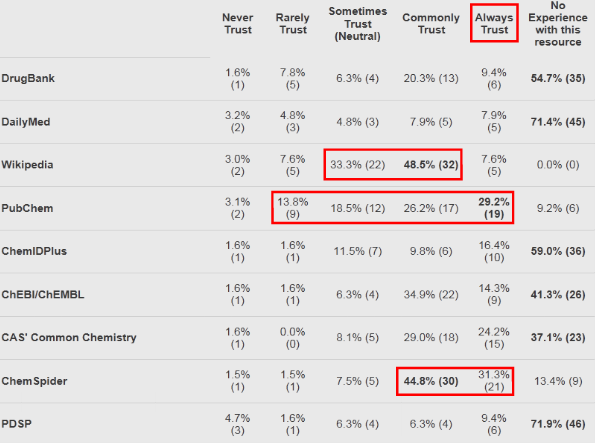
One discussion I had often had in the past year, is about trust in science. I, for one, believe (hahahaha; you see the irony? ;) that trust has nothing to do with science. Likewise, any scholar should be, IMHO, hes is suspicious when someone talks about trust. A scholarly scientist will never trust any result: hes will accept it as true or false, but will take responsibility for that decision; hes will not hide behind ‘but I trusted him’ or ‘but it was published in Nature’. -
What is 'hes'?
hes - pronoun -
Konqueror Web Shortcuts for CHEMINF
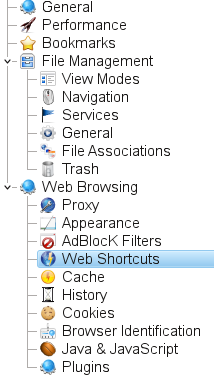
In 2004 I wrote up a short CDK News article on how to set up Konqueror web shortcuts for the CDK (Windows users can download Konqueror here). They are very handy, and I just found another simple use case, and as I have not seen it get much attention recently, and it is a great productivity tool, here goes. -
Adding a new dictionary to Oscar
Say, you have your own dictionary of chemical compounds. For example, like your company’s list of yet-unpublished internal research codes. Still, you want to index your local listserv to make it easier for your employees to search for particular chemistry you are working on and perhaps related to something done at other company sites. This is what Oscar is for. -
Uppsala Status Report
As you know, my post-doc in Uppsala ended. It was a good time, and it was great collaborating on Bioclipse with Ola, Jonathan, Arvid, and Carl. I would have loved tighter integration with the work of Maris and Martin, but that was limited to one joined paper (in press). I thank Professors Jarl Wikberg and Eva Brittebo for allowing me to continue my research at their department, and hope this is not the end of the collaboration yet.