-
Converting JSON to RDF/XML with Groovy
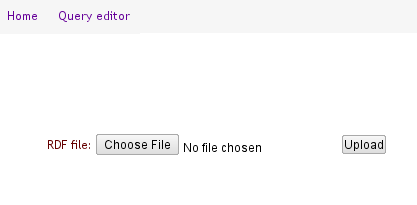
Mark’s new CCO/RDF hosting functionality (see also my post two days ago ) requires RDF/XML format, so I updated my code to convert the Chempedia Substances data into RDF/XML instead of N3 (I have asked Rich to put a new download link online). This is the Groovy code I used: -
Oscar: training data, models, etc
Oscar uses a Maximum Entropy Markov Model (MEMM) based on n-grams. Peter Corbett has written this up (doi:10.1186/1471-2105-9-S11-S4). So, it basically is statistics once more. If you really want a proper bioinformatics education, so do your PhD at a (proteo)chemometrics department. -
Status update on BJOC analysis with Oscar and ChemicalTagger #3
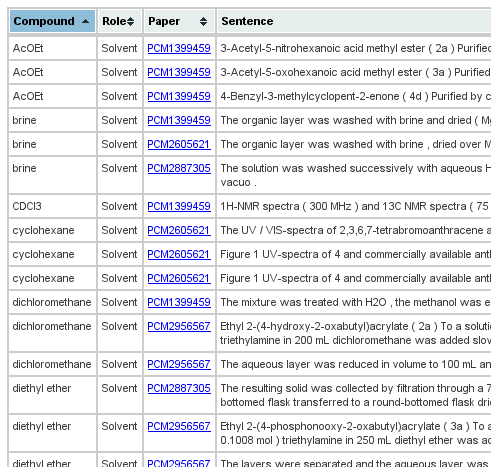
The two earlier posts in this series showed screenshots of results of Oscar, but the title also promised results by Lezan’s ChemicalTagger. Sam helped with getting the HTML pages online via the Cambridge Hudson installation. Where Oscar find named entities (chemical compounds, processes, etc), ChemicalTagger finds roles, like solvent, acid, base, catalyst. Roles are properties of chemical compounds in certain situations. Ethanol is not always a solvent, sometimes it is a Xmas present. The current output is not entirely where I want to go yet, but makes it easy which solvents are frequently found in the BJOC corpus: -
re: Commercial or Proprietary?
OK, the second paper I ran into today is a perfect match for the paper by Khanna and Ranganathan I just dicussed in the Commercial or Proprietary? post. So perfect, in fact, that it I should have really combined them. But since the other post is already infecting the WWW, I’ll have to post this update. -
Commercial or Proprietary?
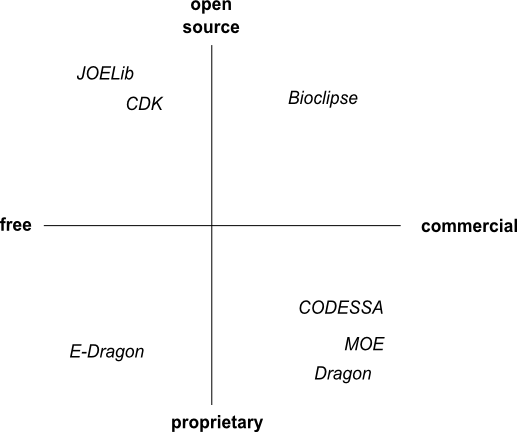
Khanna and Ranganathan wrote up a review paper on molecular similarity (doi:10.1002/ddr.20404). I have not fully read it yet, but my eye fell on Table 1, which lists a number of programs that can be used to calculate QSAR descriptors, both open source and proprietary. However, the table features a column Availability which has two options: Public, Commercial. They qualify Bioclipse, CDK, and RDKit as public, and Dragon, MOE, CODESSA and others are commercial. Effectively, it seems to suggest that they classify them as open source versus commercial, though I am not entirely sure what they mean with public.